Empty joints
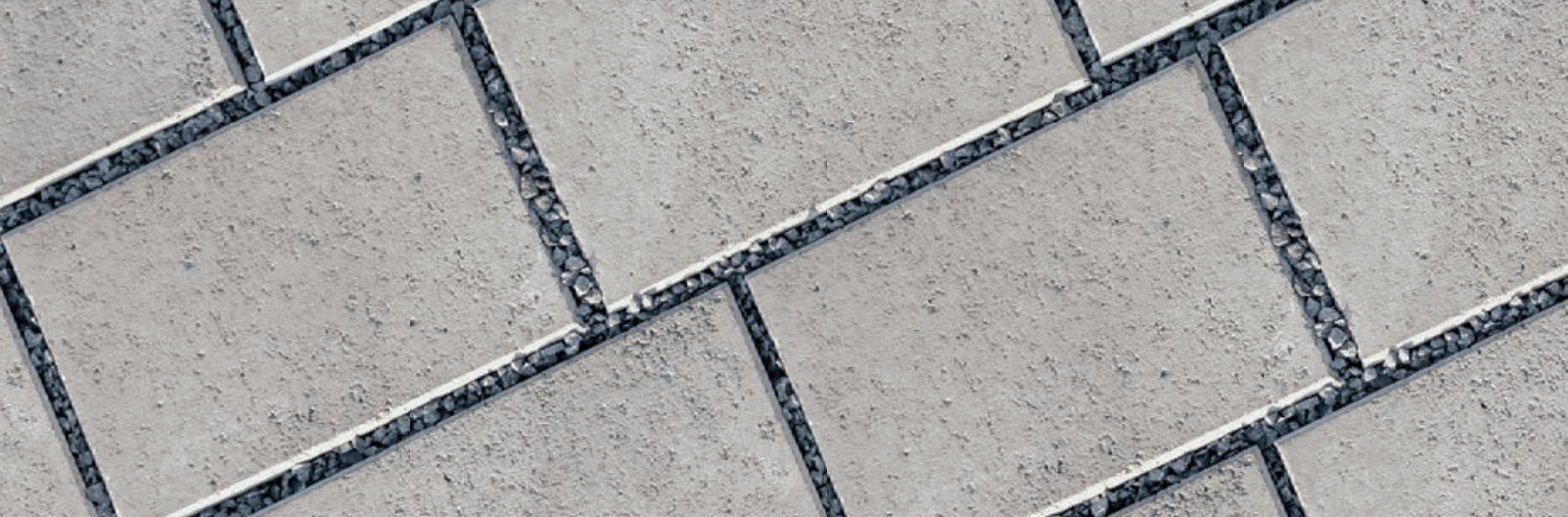
Sand has washed or worn away, leaving visible gaps between pavers.

Interlock joint repair
We remove failed material, clean the joint depth and install polymeric sand suited to the paver spacing and surface condition.
Joint material has a service life
Polymeric sand helps lock the paver pattern together and reduces the space available for weeds and insects. It does not last forever.
A durable renewal depends on cleaning the joint to sufficient depth, choosing sand for the actual joint width and activating it according to the product requirements.
Ask about your repairWhat to look for
A visible change in the surface can point to a problem with support, restraint or drainage beneath it.
Sand has washed or worn away, leaving visible gaps between pavers.
Old polymeric material has separated and no longer bonds consistently.
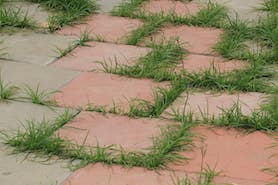
Open joints collect organic matter and allow new growth to establish.
The pattern lacks lateral support, though base movement must be ruled out first.
The repair process
Every repair begins with the condition beneath the surface—not with a coating or cosmetic shortcut.
Confirm that sinking or movement is repaired before renewing the joints.
Clean old sand, weeds and debris from the joints to the needed depth.
Select material for the joint width, paver type and expected exposure.
Fill the joints evenly and follow the proper water-activation sequence.
Joint width matters
Products designed for narrow joints may not perform the same way in large slab gaps or irregular stonework. Selection is part of the repair.
Common questions
Send photos and a short description if you are unsure which repair applies.
Service life varies with installation, drainage, cleaning, traffic and weather exposure. Joint material should be inspected as part of regular maintenance.
Topping up shallow or failed joints usually does not create the depth needed for reliable bonding. Old material should be removed to the appropriate level first.
It reduces open space for growth, but airborne seeds and organic debris can still support weeds at the surface. Maintenance remains necessary.
Yes. Joint repair cannot correct movement beneath the surface. Structural and drainage problems should be addressed before new sand is installed.
Keep the pavers. Fix the problem.