Persistent puddles
Water remains on the surface well after surrounding areas have drained.

Landscape drainage solutions
We identify where runoff should go, correct the grade and repair the interlock areas affected by poor drainage.
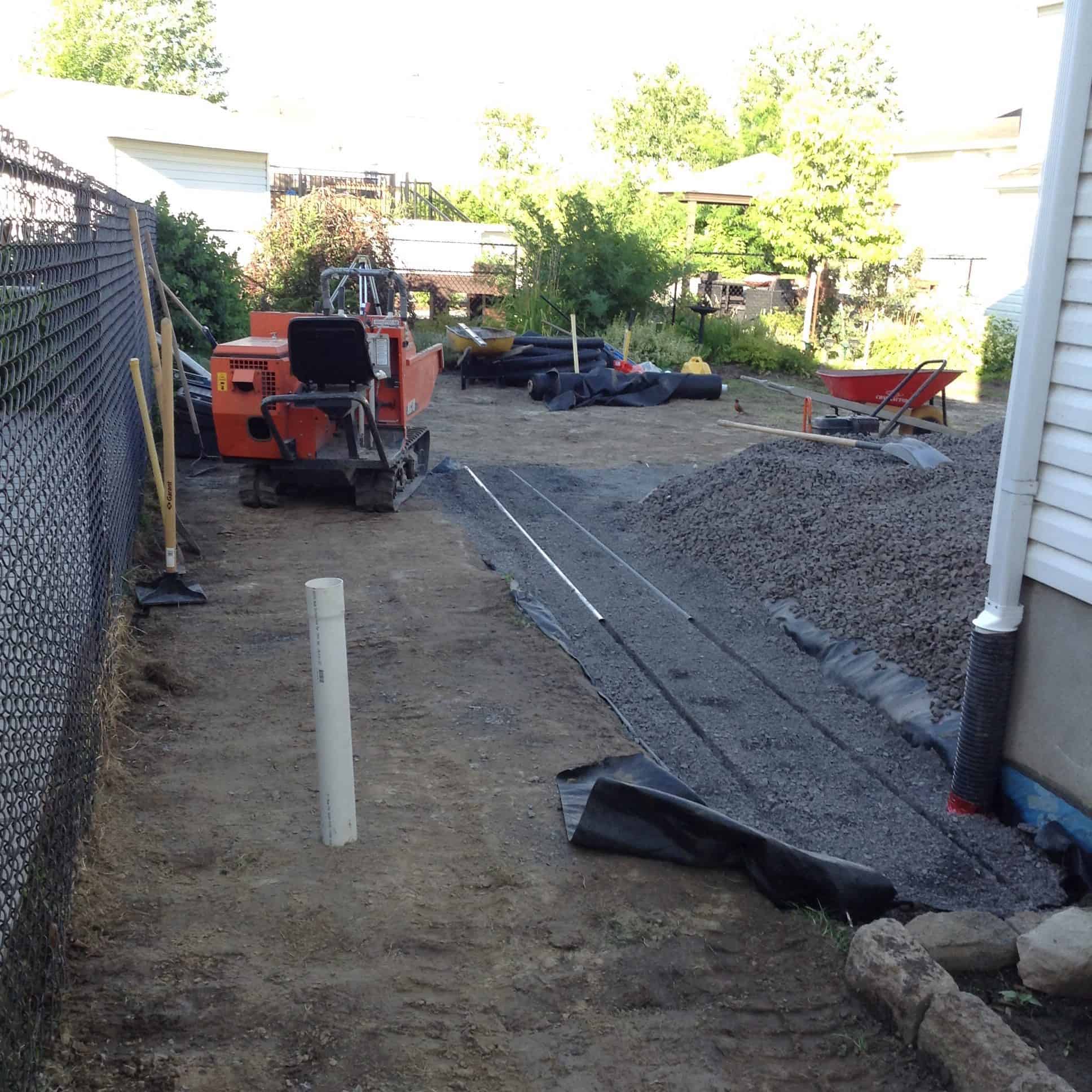
Water follows the grade
A puddle may come from a local low spot, a blocked outlet, surrounding grade or water being directed into the area from somewhere else.
The repair should provide a safe route for runoff and correct any foundation material that has been weakened or washed away.
Ask about your repairOriginal site video
This example from the original website shows a driveway application where water-permeable paving can support a broader drainage plan.
What to look for
A visible change in the surface can point to a problem with support, restraint or drainage beneath it.
Water remains on the surface well after surrounding areas have drained.
The pavers slope toward the foundation, steps or garage.
Moving water repeatedly carries sand and fine material away.
Base material loses support where water enters or cannot escape.
The repair process
Every repair begins with the condition beneath the surface—not with a coating or cosmetic shortcut.
Observe the low point, contributing areas and available discharge route.
Review the relationship between pavers, house, lawn, drains and neighbouring surfaces.
Correct grade, install an appropriate inlet or route, and rebuild affected support.
Relay the surface to direct water consistently toward the planned outlet.
Surface and subsurface drainage
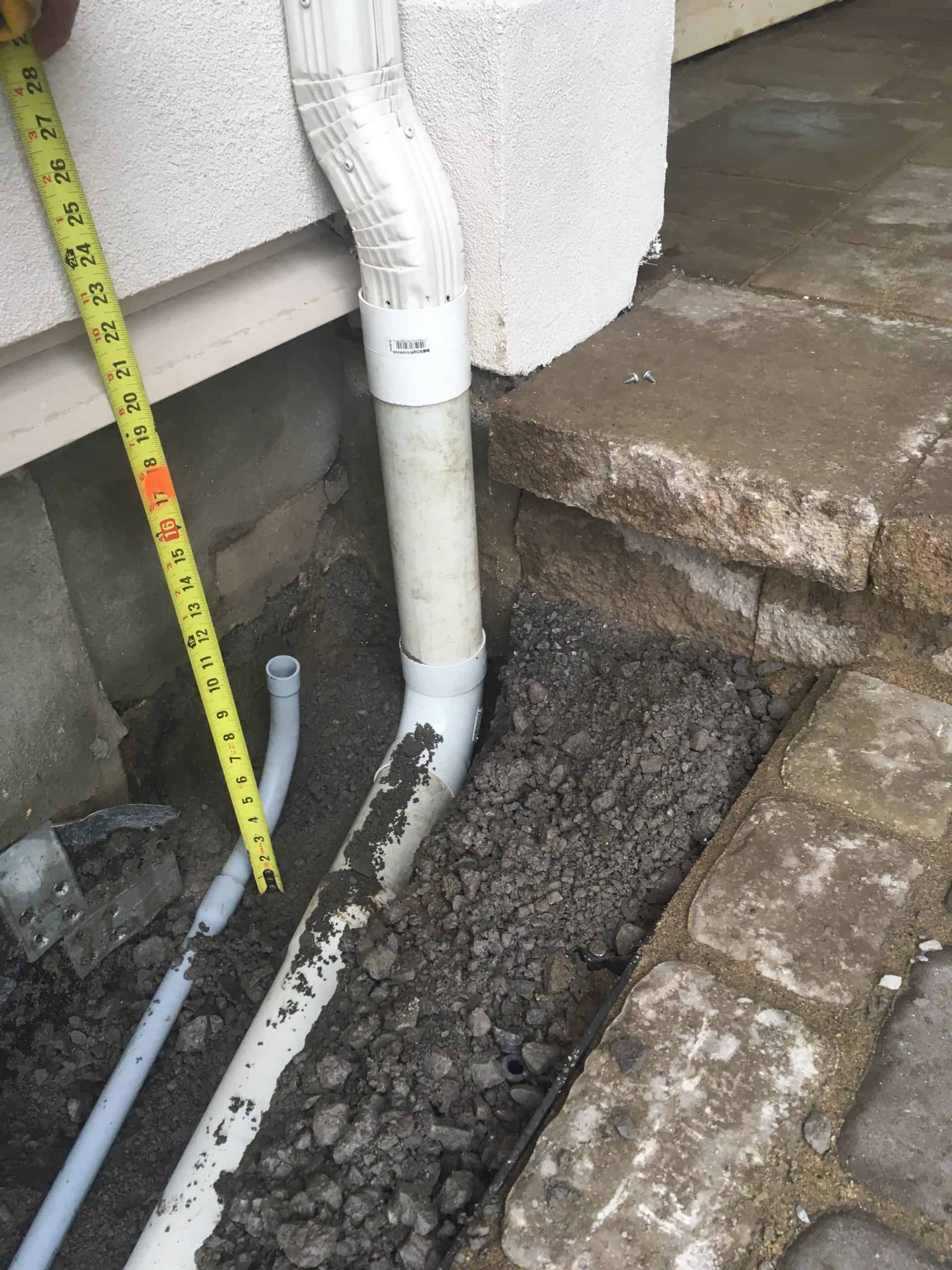
A drain is useful only when it has a suitable outlet. Some sites need grading, some need collection, and others need both.
Common questions
Send photos and a short description if you are unsure which repair applies.
Raising the surface may be part of the repair, but the water route and supporting base must also be considered so the problem does not move elsewhere.
No. Some areas can be corrected through grading alone. A drain is appropriate when water needs collection and there is a suitable discharge path.
Yes. Water can carry fine material, soften weak support and increase freeze-and-thaw movement beneath the surface.
That depends on the property, elevations and local constraints. The route must be identified before an inlet or channel is recommended.
Keep the pavers. Fix the problem.