Embedded dirt
Traffic and weather leave the surface dull or uneven in colour.

Professional paver cleaning
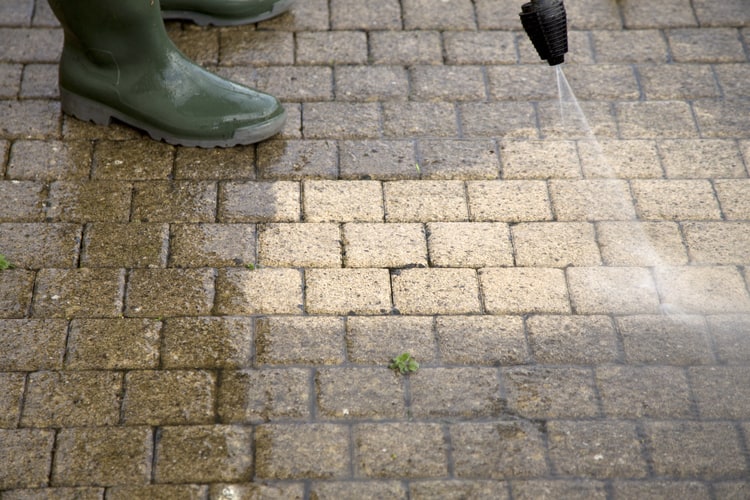
We use controlled pressure and the right cleaning sequence to remove buildup while protecting the pavers and preparing joints for any needed renewal.
Pressure with control
Aggressive washing can scar the paver face, remove too much joint material and drive water where it should not go.
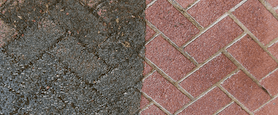
Professional cleaning matches pressure, distance and technique to the condition of the pavers, then evaluates whether the joints need to be replenished.
Ask about your repairWhat to look for
A visible change in the surface can point to a problem with support, restraint or drainage beneath it.
Traffic and weather leave the surface dull or uneven in colour.
Shaded, damp areas develop slippery buildup between and over pavers.
Spills, leaves and runoff leave marks that routine rinsing does not remove.
Failed or contaminated joint material needs removal before replacement.
The repair process
Every repair begins with the condition beneath the surface—not with a coating or cosmetic shortcut.
Check paver condition, drainage, joints and stain type before cleaning.
Prepare nearby walls, plantings and transitions for the cleaning work.
Use appropriate pressure, distance and passes across the paver surface.
Confirm whether displaced or failed joint material should be renewed.
Cleaning plus protection
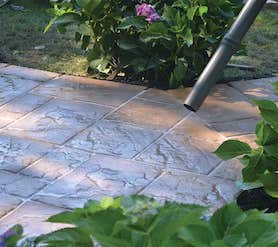
Cleaning exposes the true condition of the pavers. Joint repair or sealing should be recommended only after the surface has been assessed and allowed to dry properly.
Common questions
Send photos and a short description if you are unsure which repair applies.
It is possible, but excessive pressure or a concentrated nozzle can damage the paver face and remove joint material. Technique matters as much as the machine.
Cleaning can displace loose or failed joint material. The joints should be inspected afterward and renewed when necessary.
Results depend on the stain, paver porosity, age and previous treatments. Some deep stains may improve without disappearing completely.
Sealing may be appropriate after the surface is clean, dry and structurally stable. It is a separate decision based on the desired finish and condition.
Keep the pavers. Fix the problem.